

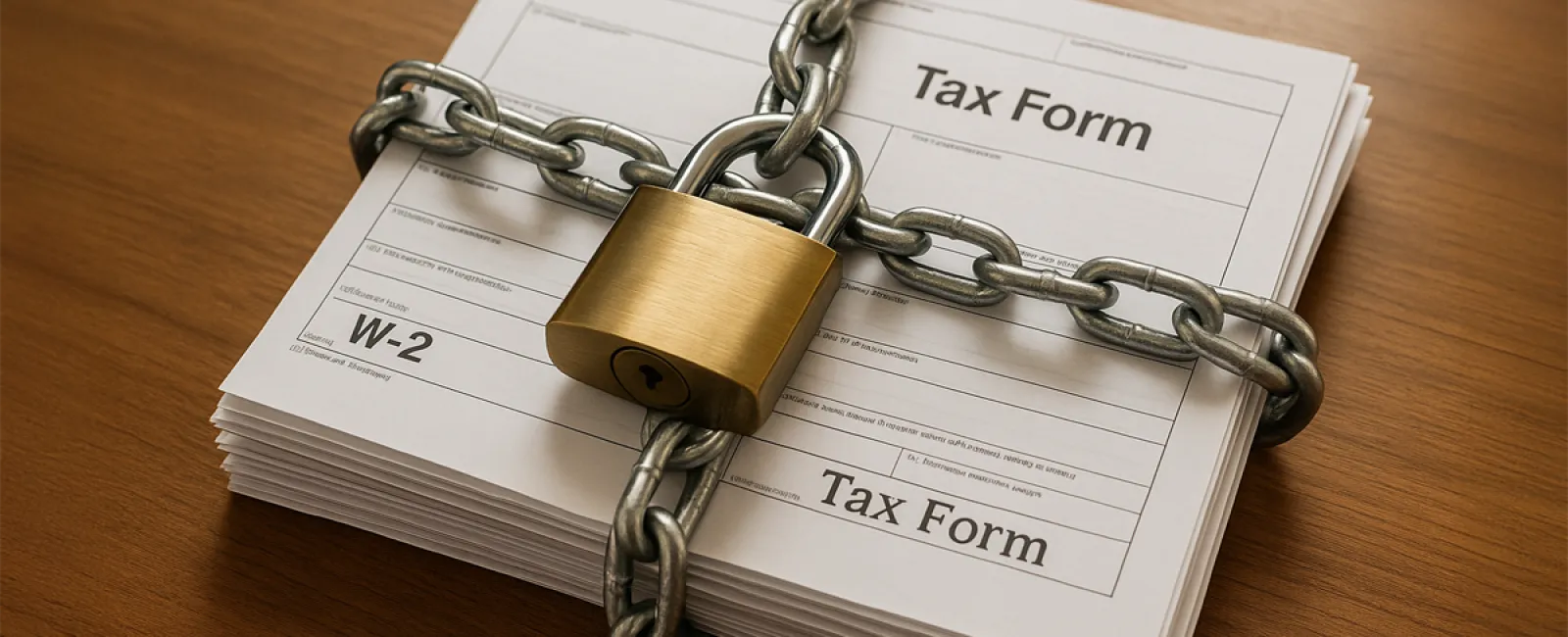
February marks the onset of tax season, bringing heightened activity for accountants and bookkeepers as they gather documents and focus on W-2s, 1099s, and looming deadlines.
Yet, the initial major hurdle of tax season often isn't a tax form — it's a deceptive scam.
This scam frequently arrives even before April, targeting small businesses with a convincing and straightforward tactic. It might already be lurking in someone's email inbox.
Understanding the W-2 Scam
Here's how the scam unfolds:
An individual at your company, often in payroll or HR, receives an email appearing to be from the CEO, owner, or a top executive.
The message is brief yet urgent:
"Please send copies of all employee W-2 forms immediately for an upcoming meeting with the accountant. I'm swamped today."
The email feels authentic — the tone is appropriate for tax season, the urgency seems reasonable, and the request isn't unusual.
Trusting this, your employee forwards the W-2s.
However, the email isn't from a legitimate executive but a fraudster using a forged email address or a deceptive domain.
With those W-2s, the scammer gains access to:
• Employees' full legal names
• Social Security numbers
• Home addresses
• Salary details
All critical data needed for identity theft and fraudulent tax filings before your employees can file their returns.
Consequences of the Scam
Victims typically discover the fraud when:
An employee files their tax return only to have it rejected because a return was already submitted under their Social Security number.
The scammer has already claimed refunds using stolen identities.
Now your employee faces the tedious process of dealing with the IRS, credit monitoring agencies, identity protection services, and months of recovery paperwork — all stemming from a single fraudulent email.
Imagine this scale multiplied across your entire workforce. Explaining the breach of personal data due to a deceptive email becomes a significant challenge.
This scenario isn't just a cybersecurity issue — it jeopardizes trust, creates serious HR complications, risks legal action, and damages your company's reputation.
Why This Scam Is So Effective
Unlike obvious phishing attempts, this scam looks genuine at first glance.
Its success hinges on several factors:
The timing is perfect since W-2 requests are typical in February and naturally go unquestioned.
The request is legitimate-sounding; it is a typical document shared during tax season, not a suspicious demand like wire transfers or gift card purchases.
The urgency feels authentic, reflecting a realistically busy schedule.
The sender appears credible because scammers research your organization and impersonate genuine executives.
Employees naturally want to assist leadership, often responding quickly without double-checking.
Steps to Shield Your Business Before the Scam Hits
Fortunately, this threat can be prevented by establishing solid policies and cultivating a vigilant organizational culture — technology alone isn't enough.
Enforce a strict "No W-2s via email" policy with zero exceptions. Sensitive payroll documents should never be emailed outside your secure systems. If anyone requests them via email, the automatic response must be "No," even if the message seems to come from the CEO.
Always confirm sensitive requests through a secondary communication channel — a phone call, face-to-face conversation, or a verified chat. Use trusted contact information, not the numbers provided in suspicious emails. Spending just 30 seconds on verification can save months of troubles.
Hold a brief, focused team meeting about tax scams immediately. Don't wait until closer to tax deadlines. Educate your payroll and HR teams about what to watch for and how to respond. Informed employees are your best defense.
Secure your payroll and HR platforms by implementing multi-factor authentication (MFA). This security layer significantly reduces the risk if credentials are compromised.
Foster a workplace culture that encourages verification rather than discouraging it. Employees reaching out to double-check requests should be commended, never penalized. When caution is rewarded, scams can't take root.
Follow these five simple but effective steps, implementable this week, to block the first wave of tax-season scams.
Looking Beyond the W-2 Scam
The W-2 scam is often just the tip of the iceberg.
Between now and April, expect a surge of tax-related cyberattacks including:
• Fraudulent IRS notices demanding immediate payments
• Phishing emails disguised as essential tax software updates
• Spoofed communications from reputed accountants containing malicious links
• Fake invoices mimicking legitimate tax-related expenses
Cybercriminals exploit the chaos of tax season, counting on distractions and the typical financial requests that don't raise suspicion.
Companies that navigate tax season without incident aren't relying on luck — they are armed with effective policies, employee training, and security systems that detect threats before they escalate.
Is Your Business Prepared?
If your organization already has robust policies and your team is trained to identify scams, you're ahead of many small businesses.
If you're not there yet, now is the critical moment to act — don't wait for a scam to affect you.
If this description fits your business, schedule a 15-minute Tax Season Security Check.
During this session, we'll assess:
• Payroll and HR access controls including MFA
• Your protocols for verifying W-2 requests
• Email defense mechanisms against spoofing
• One often-overlooked policy adjustment that can prevent big problems
If your business is already secure, that's fantastic. But if you know other business owners who might benefit, share this article — it could save them from costly headaches.
Click here or give us a call at 609-676-3597 to schedule your free 15-Minute Discovery Call.
Because no one needs the added stress of identity theft during tax season.